Building Generational Wealth as a Family: A Complete Guide
Wealth that lasts beyond a single lifetime—that’s the dream of generational wealth. It’s not about amassing vast fortunes, but about creating financial stability that benefits your children, grandchildren, and beyond. It’s about breaking cycles of financial struggle and establishing new patterns of prosperity that compound across generations.
Building generational wealth requires thinking differently about money. Rather than optimizing for your own lifetime alone, you consider how today’s decisions affect future generations. This long-term perspective transforms financial planning from personal achievement to family legacy.
This guide—the final article in our four-part series on couples and family finance—explores how to build, preserve, and transfer wealth across generations while instilling financial values in your children.
Understanding Generational Wealth
What Generational Wealth Really Means
Generational wealth extends beyond money:
Financial Assets:
- Investments and savings that can be inherited
- Real estate holdings
- Business ownership
- Insurance proceeds
Human Capital:
- Financial education passed down
- Strong work ethic modeled
- Entrepreneurial mindset cultivated
- Network and opportunity access
Social Capital:
- Family values around money
- Relationships and connections
- Community standing
- Cultural knowledge
Intellectual Property:
- Family business knowledge
- Trade skills and expertise
- Educational attainment patterns
- Problem-solving approaches
The Generational Wealth Gap
Many families struggle to build wealth across generations:
Common Patterns:
- Wealth typically dissipates within three generations
- First generation builds, second maintains, third depletes
- Lack of financial education contributes to loss
- Family conflicts destroy wealth
Breaking the Pattern: The strategies in this guide help you:
- Build substantial assets
- Educate heirs to manage and grow wealth
- Structure transfers for protection
- Establish values that sustain wealth
Pillars of Generational Wealth Building
Pillar 1: Maximize Wealth Accumulation
The foundation is building wealth to transfer:
Increase Income:
- Career advancement and skills development
- Multiple income streams
- Business ownership
- Passive income development
Minimize Expenses:
- Live below your means consistently
- Avoid lifestyle inflation
- Make intentional spending choices
- Prioritize long-term over short-term
Optimize Investments:
- Start early to maximize compound growth
- Diversify across asset classes
- Minimize fees and taxes
- Stay invested through market cycles
Protect Wealth:
- Adequate insurance coverage
- Emergency fund maintained
- Risk management strategies
- Legal protections in place
Pillar 2: Financial Education for Children
Wealth without financial literacy rarely lasts:
Age-Appropriate Money Education:
Ages 3-5: Introduction
- Coins and bills recognition
- Saving concept introduction
- Waiting for things we want
- Money comes from work
Ages 6-10: Fundamentals
- Earning through chores or work
- Saving vs. spending decisions
- Budgeting allowance
- Charitable giving introduction
Ages 11-14: Building Skills
- Bank accounts (with parental oversight)
- Budgeting practice
- Compound interest concepts
- Entrepreneurship introduction
Ages 15-18: Real-World Preparation
- Part-time job experience
- Personal budgeting
- Basic investing introduction
- Credit and debt understanding
Ages 18+: Adult Financial Skills
- Independent financial management
- Investment accounts
- Tax understanding
- Major purchase decisions
Teaching Methods:
Model Good Behavior:
- Let children see your financial habits
- Discuss money decisions openly (age-appropriate)
- Show them budgeting in action
- Demonstrate delayed gratification
Hands-On Experience:
- Allowance with saving requirements
- Let them make (and learn from) mistakes
- Involve them in family financial discussions
- Support small business ventures
Formal Education:
- Use our Teaching Kids About Money series
- Consider financial literacy courses
- Read books together
- Discuss real-world examples
Pillar 3: Asset Protection and Estate Planning
Wealth must be protected and properly transferred:
Basic Estate Planning Documents:
Will:
- Specifies how assets are distributed
- Names guardians for minor children
- Appoints executor to manage estate
- Essential for everyone with any assets
Trust Structures:
- Can avoid probate process
- Provide asset protection
- Enable controlled distribution
- Various types for different purposes
Beneficiary Designations:
- Retirement accounts transfer by beneficiary
- Life insurance proceeds
- Payable-on-death accounts
- Must be kept updated
Power of Attorney:
- Allows someone to act financially on your behalf
- Essential if you become incapacitated
- Separate from healthcare directives
Healthcare Directives:
- Medical decision-making if incapacitated
- End-of-life preferences
- Healthcare proxy designation
Asset Protection Strategies:
Insurance:
- Life insurance to protect survivors
- Disability insurance to protect income
- Umbrella liability insurance
- Property insurance adequate
Legal Structures:
- Business liability protection
- Asset protection trusts (where legal)
- Retirement account protections
- Homestead exemptions
Pillar 4: Values and Family Culture
Sustainable wealth requires strong values:
Essential Values to Instill:
Stewardship:
- Money is a tool, not a goal
- Responsibility to manage well
- Benefit beyond self
- Long-term thinking
Work Ethic:
- Value of earning
- Pride in accomplishment
- Contribution to society
- Continuous improvement
Generosity:
- Giving to others
- Supporting community
- Family helping family
- Charitable involvement
Gratitude:
- Appreciation for what we have
- Avoiding entitlement
- Perspective on privilege
- Thankfulness practice
Financial Responsibility:
- Living within means
- Honoring commitments
- Planning for future
- Learning from mistakes
Practical Wealth Building Strategies
Homeownership as Foundation
Home equity often forms core family wealth:
Benefits:
- Forced savings through mortgage payments
- Appreciation over time (historically)
- Stable housing costs
- Potential to pass down
Strategy:
- Buy within means (not maximum approval)
- Choose locations with growth potential
- Maintain and improve property
- Consider holding long-term
Business Building
Businesses can create and transfer significant wealth:
Family Business Advantages:
- Potentially higher returns than employment
- Control over income and growth
- Employment for family members
- Can be transferred to next generation
Succession Planning:
- Start planning early (10+ years before)
- Involve next generation gradually
- Formalize roles and expectations
- Consider equal vs. equitable distribution
Investment Portfolio Building
Long-term investing creates transferable wealth:
Strategies:
Index Fund Core:
- Low costs maximize returns
- Broad diversification
- Simple to maintain
- Easy to transfer
Tax-Advantaged Accounts:
- Maximize retirement accounts
- Consider education savings accounts
- Understand inheritance rules
- Plan withdrawals strategically
Taxable Investments:
- More flexible for transfer
- Step-up in basis at death (varies by location)
- No withdrawal restrictions
- Can be gifted during lifetime
Time Horizon Advantage: Generational thinking allows for:
- Maximum compound growth
- Recovery from market downturns
- Risk-appropriate allocation
- Tax-efficient strategies
Real Estate Beyond Home
Real estate can build substantial generational wealth:
Strategies:
Rental Properties:
- Income-producing assets
- Appreciation potential
- Tax advantages
- Can involve family in management
REITs:
- Real estate exposure without management
- Diversification across properties
- Liquidity for easy transfer
- Professional management
Land:
- Long-term appreciation potential
- Lower maintenance requirements
- Development or lease potential
- Family legacy property
Transferring Wealth Effectively
During Lifetime Transfers
Giving during your lifetime has advantages:
Benefits:
- See recipients benefit
- Guide their use of funds
- Potential tax advantages
- Gradual responsibility transfer
Methods:
Direct Gifts:
- Cash or assets transferred
- Annual exclusions for gift tax (varies by country)
- Educational and medical exclusions
- Simple and immediate
Trust Structures:
- Controlled distribution
- Asset protection
- Tax efficiency
- Professional management option
Education Funding:
- Direct tuition payments
- Education savings accounts
- Student loan assistance
- Skills and training investment
Down Payment Assistance:
- Help with home purchases
- Accelerates wealth building
- Tangible family benefit
- Creates housing stability
At Death Transfers
Proper planning ensures smooth transfer:
Will-Based Transfer:
- Clear instructions
- Executor handles process
- May require probate
- Public record in some places
Trust-Based Transfer:
- Avoids probate
- More privacy
- Can include conditions
- Professional management option
Beneficiary Designations:
- Retirement accounts
- Insurance proceeds
- Direct transfer
- Must be updated regularly
Avoiding Transfer Pitfalls
Common Problems:
No Plan:
- State decides distribution
- Likely not your wishes
- Delays and costs
- Family conflict potential
Outdated Documents:
- Former spouses receiving assets
- Deceased beneficiaries
- Wrong proportions
- Changed circumstances ignored
Unequal Distribution Without Explanation:
- Family conflict
- Legal challenges
- Relationship damage
- Resentment between siblings
Lump Sum to Unprepared Heirs:
- Rapid depletion
- Poor decisions
- Lifestyle disruption
- Lost opportunities
Solutions:
- Create and update estate plans regularly
- Communicate intentions to family
- Consider phased or managed distributions
- Prepare heirs through financial education
Family Financial Governance
The Family Meeting
Regular family financial discussions build unity:
Purpose:
- Share family financial values
- Educate younger generations
- Make collective decisions
- Strengthen family bonds
Structure:
Annual Family Financial Meeting:
- Share family net worth overview
- Discuss values and goals
- Make collaborative decisions
- Celebrate achievements
Generation-Specific Sessions:
- Age-appropriate education
- Address specific concerns
- Prepare for upcoming responsibilities
- Answer questions
Family Mission and Values
Document your family’s financial philosophy:
Family Financial Mission Statement:
Create a statement reflecting:
- Why wealth matters to your family
- How wealth should be used
- What values guide financial decisions
- What legacy you want to leave
Example: “Our family believes financial resources are tools for creating security, opportunity, and positive impact. We commit to responsible stewardship, continuous learning, and generous giving. We build wealth not for its own sake, but to enable each family member to pursue meaningful lives while supporting our community and future generations.”
Preparing Heirs
Don’t let inheritance surprise your heirs:
Gradual Involvement:
- Age-appropriate financial education
- Increasing responsibility over time
- Mentorship in managing money
- Practice with smaller amounts
Transparency:
- Share your financial situation (appropriately)
- Explain estate plans
- Discuss expectations and values
- Answer questions honestly
Support Systems:
- Financial advisor relationships
- Professional resources identified
- Family support network
- Educational resources available
Special Considerations
Balancing Present and Future
Don’t sacrifice today entirely for tomorrow:
Finding Balance:
- Enjoy life while building wealth
- Model balanced approach to children
- Fund current experiences and education
- Avoid extreme frugality that breeds resentment
Priority Framework:
- Basic security and needs
- Reasonable current lifestyle
- Children’s education and opportunities
- Long-term wealth building
- Legacy planning
Handling Family Complexity
Modern families have unique challenges:
Blended Families:
- Consider all children’s needs
- Balance biological and step-children
- Clear documentation essential
- Communication prevents conflict
Estranged Family Members:
- Clear documentation of intentions
- Consider reasons and fairness
- Minimize challenge potential
- Communicate decisions when possible
Family With Special Needs:
- Special needs trusts
- Government benefit considerations
- Long-term care planning
- Caregiver succession
International Families:
- Tax implications across borders
- Inheritance laws vary by country
- Currency and asset location
- Professional guidance essential
When Wealth Creates Problems
Wealth can have unintended consequences:
Potential Issues:
- Entitlement in children
- Reduced motivation
- Family conflict over money
- Isolation from peers
Prevention Strategies:
- Teach work ethic regardless of wealth
- Require contribution to receive benefits
- Delay large inheritances
- Emphasize stewardship over ownership
- Maintain normal expectations
- Focus on values, not just money
Creating Your Generational Wealth Plan
Assessment Phase
Understand your current position:
Financial Assessment:
- Current net worth
- Income and expenses
- Growth trajectory
- Protection gaps
Family Assessment:
- Children’s ages and situations
- Financial literacy levels
- Family values and dynamics
- Special considerations
Estate Planning Assessment:
- Current documents in place
- Beneficiary designations updated
- Professional relationships
- Gaps and needs
Goal Setting Phase
Define what you’re building toward:
Questions to Answer:
- What do we want to leave behind?
- How do we want to help our children?
- What values do we want to instill?
- What’s our timeline and capacity?
Sample Goals:
- Leave each child $X in inheritance
- Fund grandchildren’s education
- Establish family charitable fund
- Pass on family business
- Create family property
Implementation Phase
Take action on your plan:
Year 1 Actions:
- Establish or update estate documents
- Begin regular family financial discussions
- Implement wealth-building strategies
- Start children’s financial education
Ongoing Actions:
- Annual plan review and update
- Continued financial education
- Progress monitoring
- Plan adjustments as needed
Key Takeaways
-
Generational wealth includes more than money—education, values, and skills matter too
-
Financial education for children is essential—unprepared heirs often lose inherited wealth
-
Estate planning protects your intentions—without plans, the state decides
-
Values sustain wealth across generations—work ethic, stewardship, and responsibility
-
Start with maximizing accumulation—you can’t transfer what you haven’t built
-
Balance present and future—extreme sacrifice breeds resentment
-
Prepare heirs gradually—don’t let inheritance surprise them
-
Family governance creates alignment—meetings and mission statements help
-
Professional guidance valuable—estate planning and tax law are complex
-
Begin today—compound growth rewards early action
Series Conclusion
Congratulations on completing our Couples & Family Finance series. You now have frameworks for:
- Merging finances as a couple
- Planning for major life events
- Managing household finances effectively
- Building generational wealth
Financial success as a family isn’t about perfection—it’s about communication, shared values, and consistent progress toward your goals. The most important step is starting, and you’ve already begun by investing in your financial education.
Series Navigation:
- Part 1: Merging Finances as a Couple
- Part 2: Financial Planning for Major Life Events
- Part 3: Managing Household Finances Effectively
- Part 4: Building Generational Wealth as a Family (You are here)
Related Resources:
- Complete Guide: Teaching Kids About Money
- Building Wealth in Your 20s
- Wealth Building in Your 30s-40s
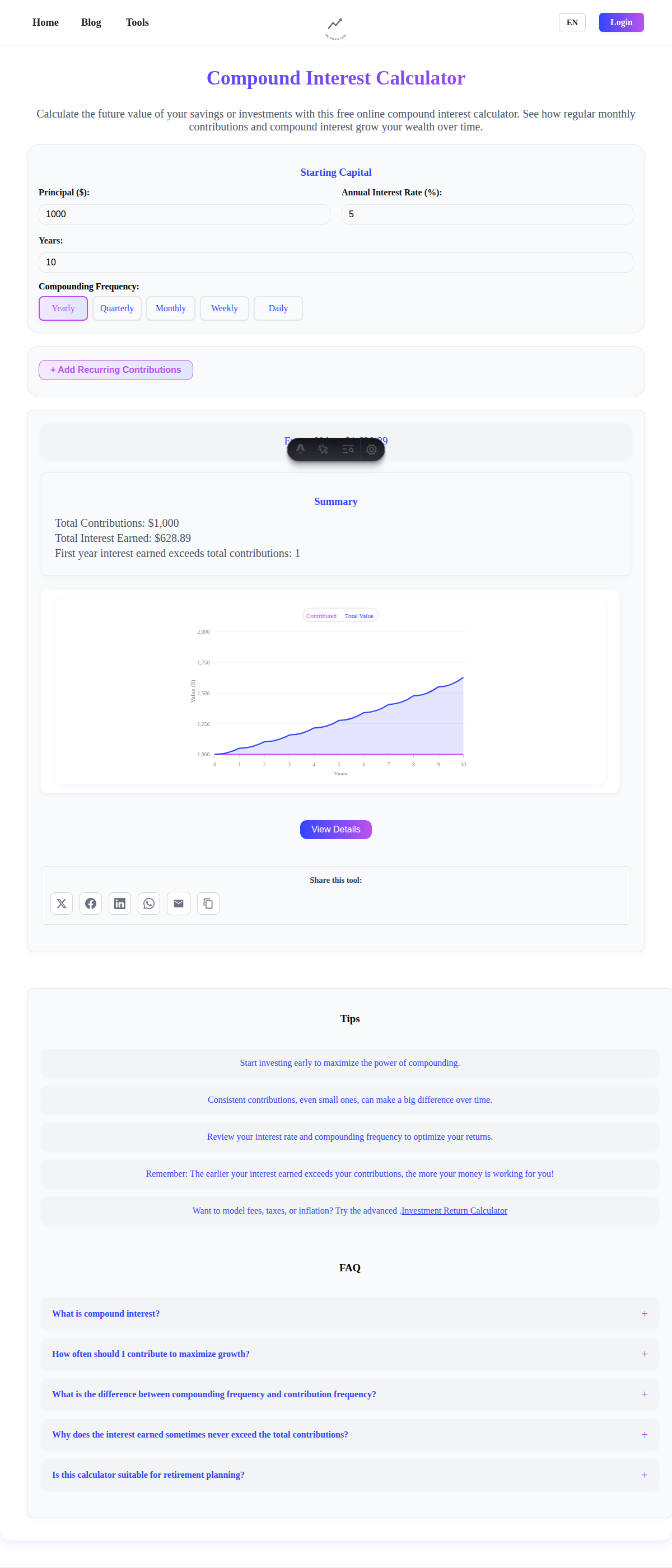
- Use our Compound Interest Calculator to see the power of long-term growth
This guide provides general information about building generational wealth and should not be considered personalized financial, legal, or tax advice. Estate planning laws vary significantly by location, and strategies should be customized for your situation. Consider consulting with qualified professionals for guidance specific to your circumstances.